
Healthcare is not just a service. It is a deeply human promise. It’s about trust, reassurance, and hope.
When patients walk into a hospital or clinic, they come with fear, anxiety, and questions. What they need is care that goes beyond the treatment itself—a feeling that they are safe, respected, and understood.
This is where Patient-Centric Branding in Healthcare comes in.
At SUR DESIGNS HEALTHCARE RHYTHM, we believe that Patient-Centric Branding in Healthcare is not simply about logos or fancy interiors. It’s about making the patient experience your brand’s heart and soul.
1. Why Patient-Centric Branding in Healthcare Matters
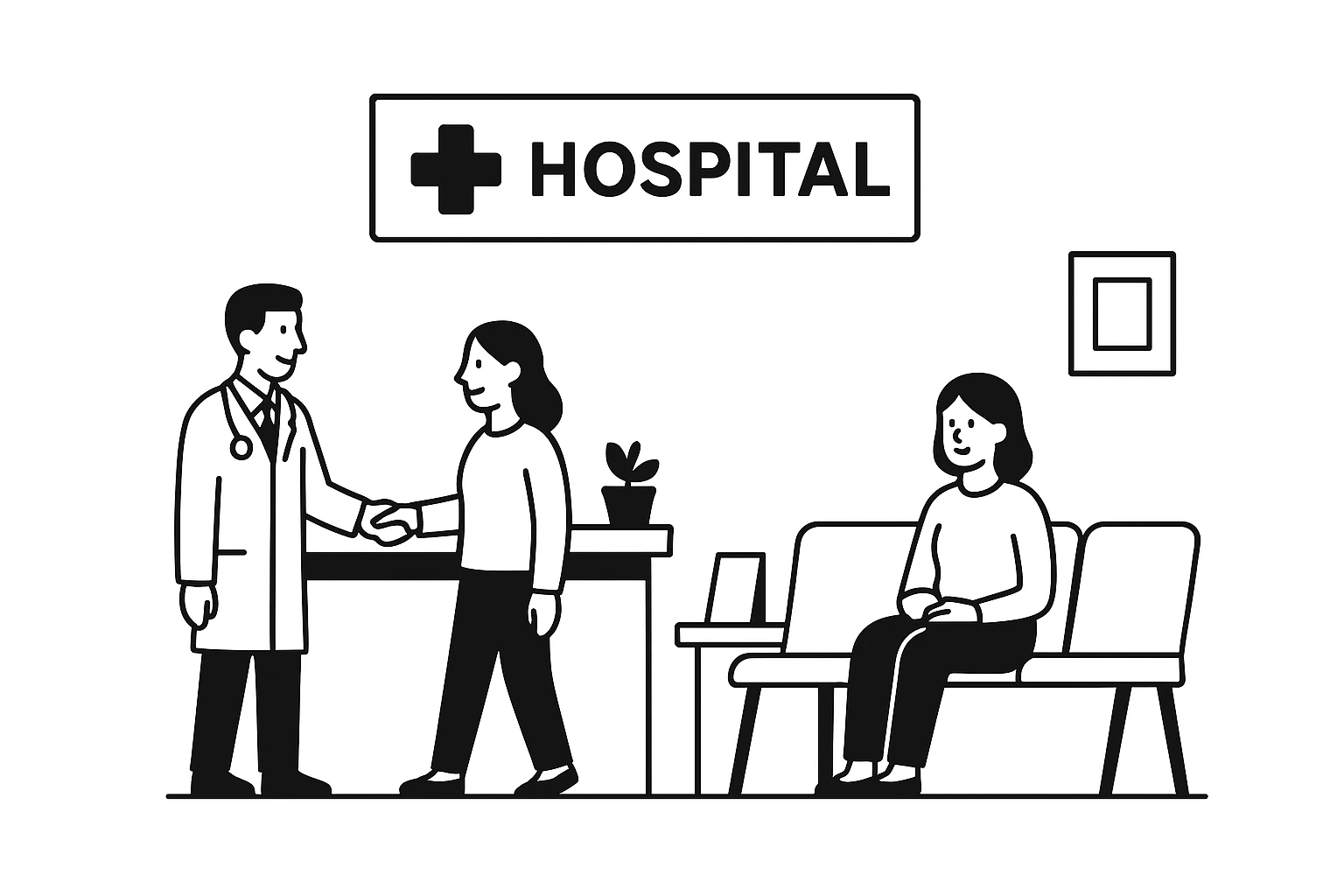
Unlike other businesses, healthcare deals with people in their most vulnerable moments. Patients don’t just want efficiency—they want empathy.
And while clinical excellence is vital, studies have shown that patients remember how they felt far more than they remember the details of their treatment.
A caring receptionist who makes them feel welcome, signage that reduces their confusion, a soothing waiting room that calms their nerves—these are the things that stick.
When your brand intentionally designs these experiences, you differentiate yourself. You go from being just another clinic or hospital to being their trusted healthcare partner.
Patient-centric branding in healthcare isn’t an extra cost. It’s an investment in loyalty, reputation, and sustainable growth.
2. Patient-Centric Branding in Healthcare is More Than a Logo
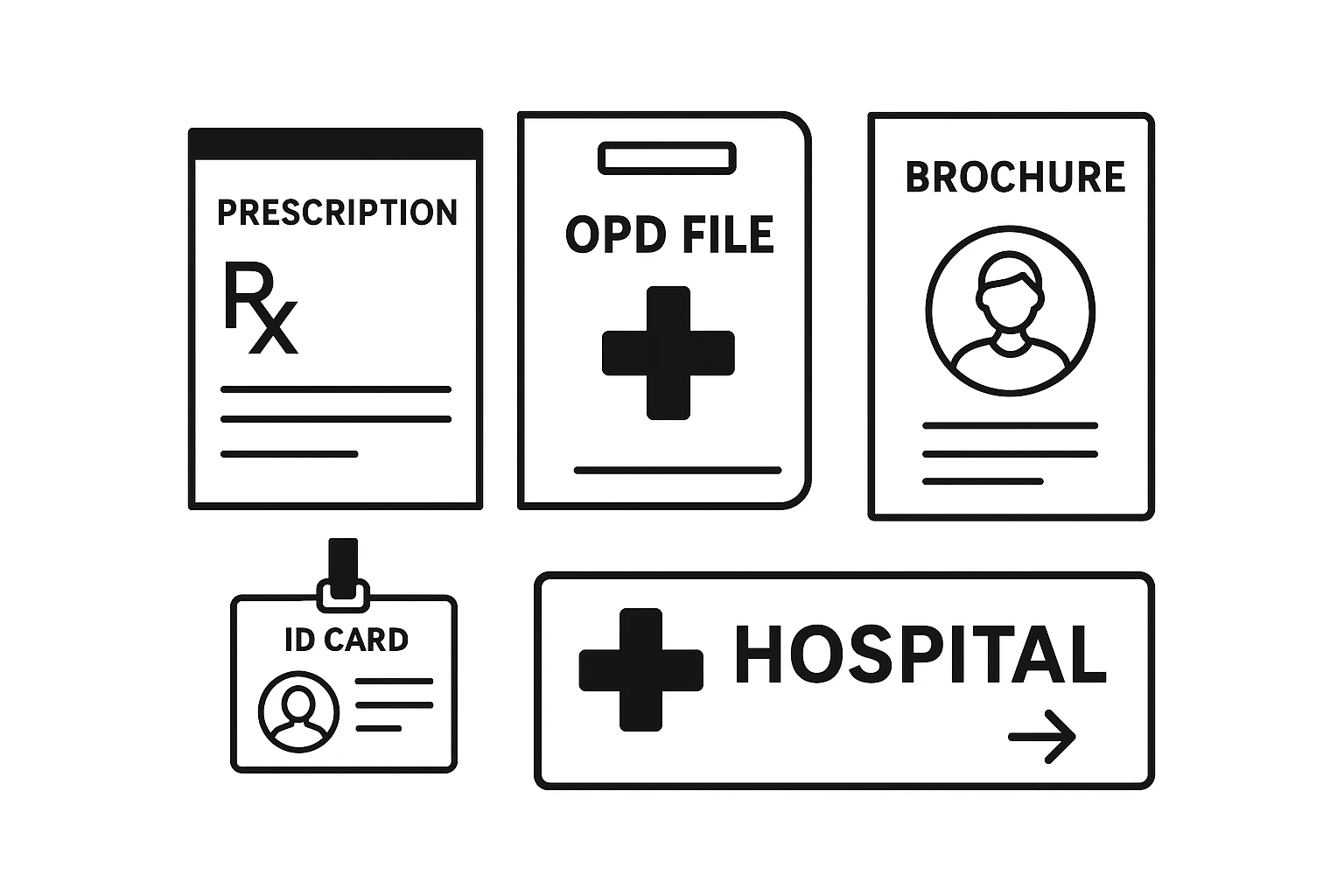
When many clinics think about branding, they think of designing a logo or getting visiting cards printed.
That’s just the start.
True patient-centric branding in healthcare means designing every single element of your practice to support the patient journey. It’s about creating a consistent, human, and reassuring experience at all touchpoints.
These touchpoints include:
- Your outdoor signage and hospital boards
- Your website and Google listing
- Interior design and waiting area layout
- OPD files and prescription pads
- Brochures, leaflets, and posters
- Staff uniforms and ID cards
- Signage systems for navigation
- The tone of staff interactions
- Discharge instructions and follow-up calls
If these all feel connected, professional, and caring, you’ve built a powerful patient-centric brand.
3. Understanding the Patient Journey in Healthcare Branding
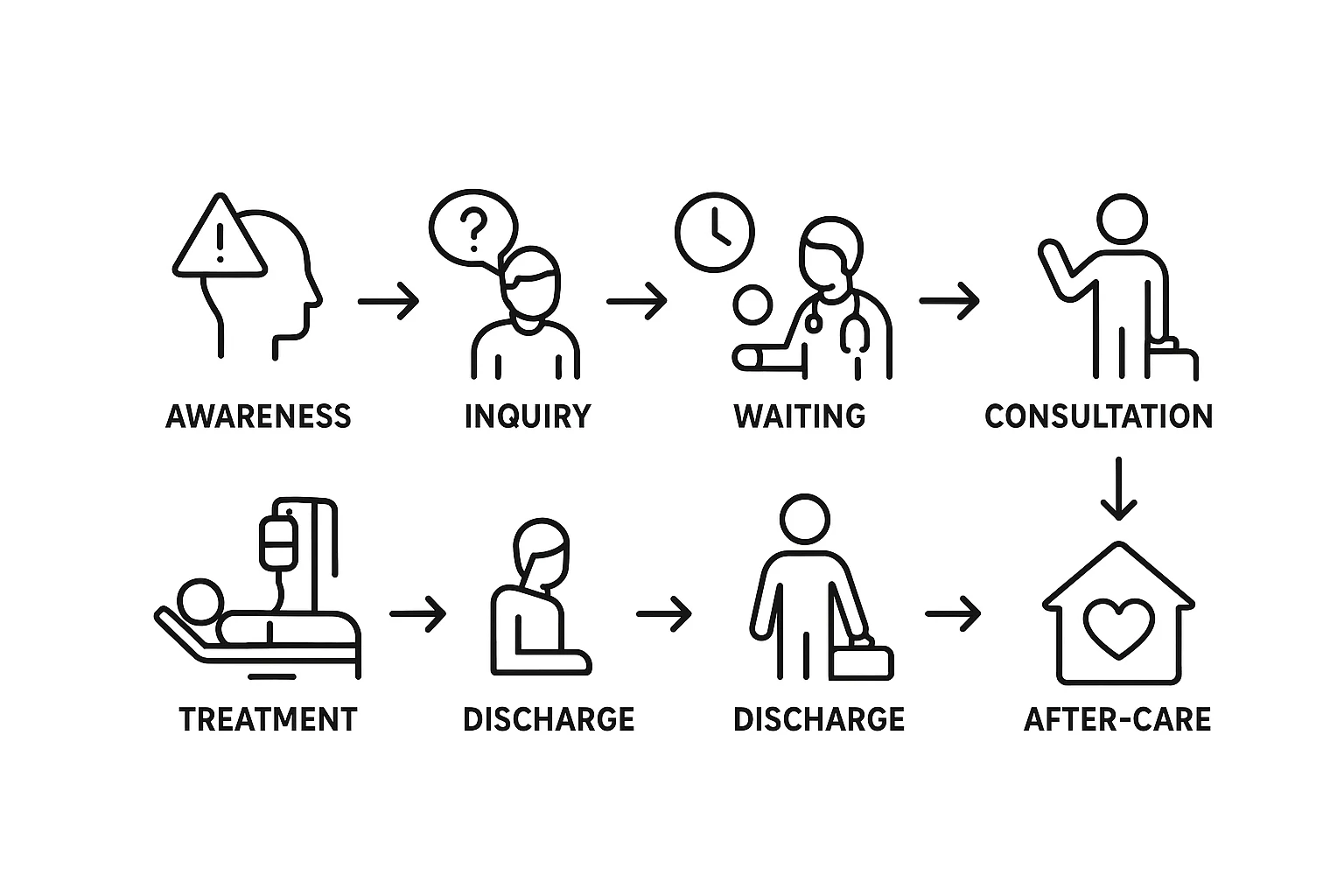
Before you can improve it, you have to understand it.
A typical patient journey in India might look like this:
- Awareness: Seeing a signboard, social media post, or hearing about you from someone
- Discovery: Searching for you on Google, browsing your website
- Inquiry: Calling your clinic or sending a WhatsApp message
- Arrival: Seeing your board or entrance area
- Waiting: Sitting in your reception or waiting room
- Consultation: Meeting the doctor in their cabin
- Treatment: Receiving care, prescriptions, instructions
- Discharge: Billing, follow-up information
- Post-care: Follow-up messages, calls, or social media engagement
Every step of the journey—awareness, inquiry, waiting, consultation, treatment, and after-care—is an opportunity to practice Patient-Centric Branding in Healthcare.
4. Emotions Over Transactions: Why Feelings Shape Patient Loyalty
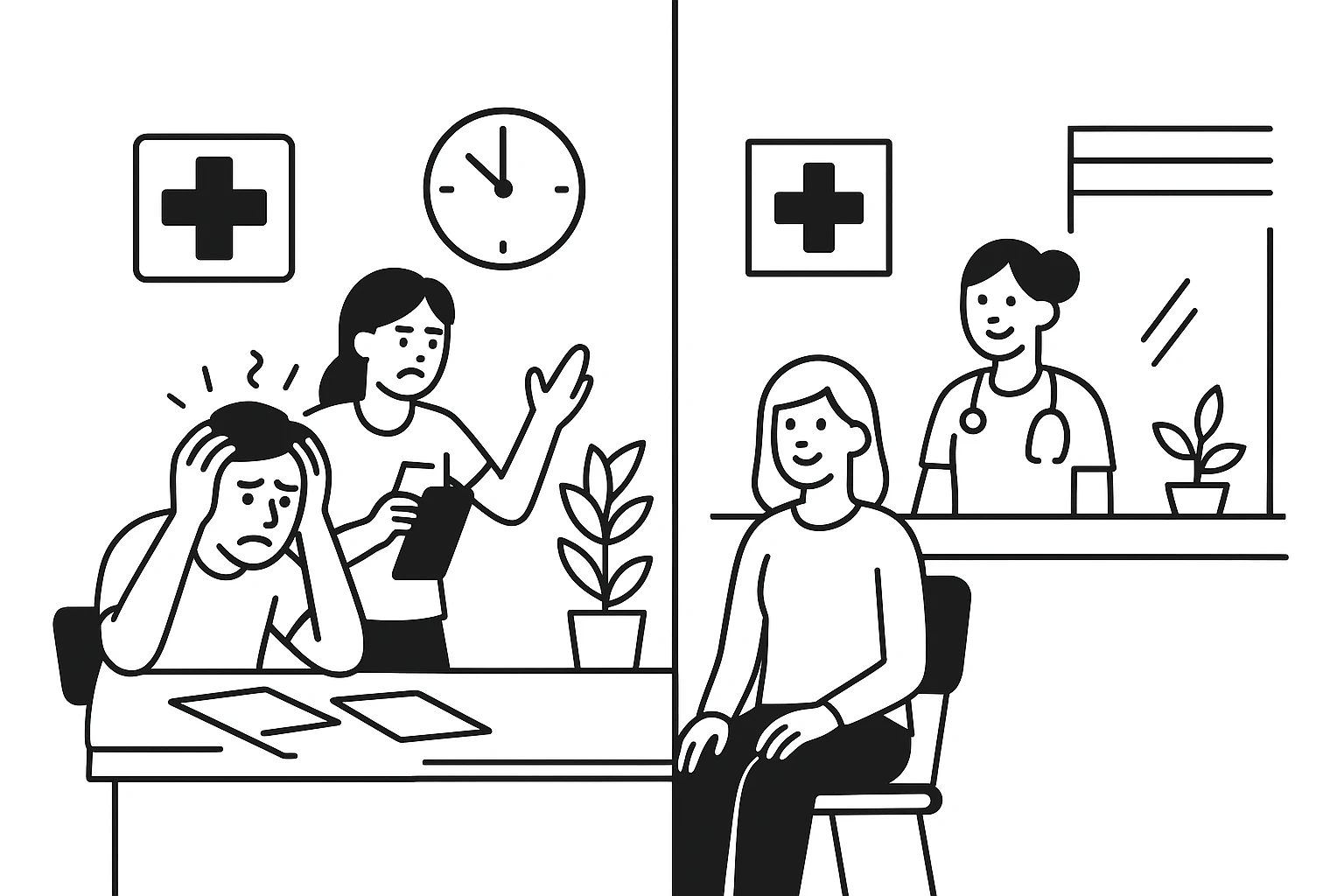
Clinical accuracy is non-negotiable. But what patients remember is emotion.
Do they feel:
✅ Welcome?
✅ Safe?
✅ Heard?
✅ Respected?
✅ Confident in your professionalism?
Or do they feel:
❌ Ignored?
❌ Confused?
❌ Frustrated?
❌ Scared?
Patient-centric branding in healthcare is about intentionally designing for the first list—and eliminating the second.
5. The Power of First Impressions in Patient-Centric Branding in Healthcare
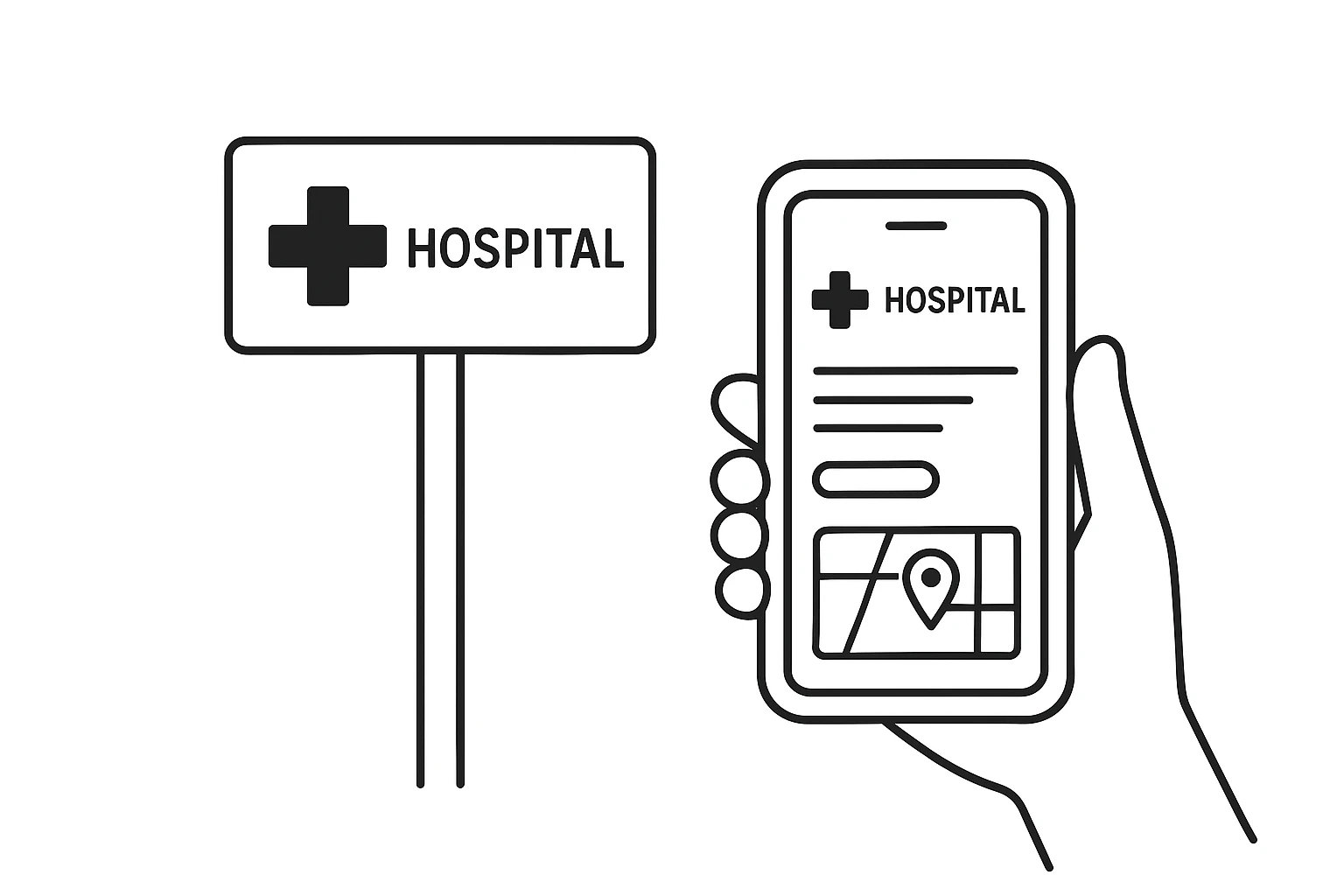
Patients form opinions before they meet a doctor.
a. Outdoor Signage
- Your clinic or hospital board is your handshake with the world.
- Clear, well-designed, consistent colors and logo communicate professionalism.
- Outdated, peeling, or cluttered boards suggest neglect.
b. Digital Presence
- Your Google listing should have accurate timings, clear photos, and directions.
- Your website should load fast, work on mobile, and make booking simple.
- Social media should humanise, you showing your team, patient education tips, and your values.
Even a simple, well-designed leaflet or brochure can be a powerful first impression. A strong, consistent presence reflects Patient-Centric Branding in Healthcare from the start.
6. Reception & Waiting Experience: Building Patient Trust

The waiting room is a critical emotional zone. Anxiety is high.
- Is the receptionist warm and welcoming?
- Is the design calming or chaotic?
- Are there clear signs and instructions?
- Is the seating comfortable?
- Are your brand colors and logo used consistently?
- Are brochures, posters, or leaflets thoughtfully designed and easy to understand?
Color psychology matters here too soft blues, greens, and neutrals reduce stress. A patient who feels at ease while waiting is more receptive, cooperative, and likely to trust the doctor.
7. Interior Design as a Branding Language in Healthcare
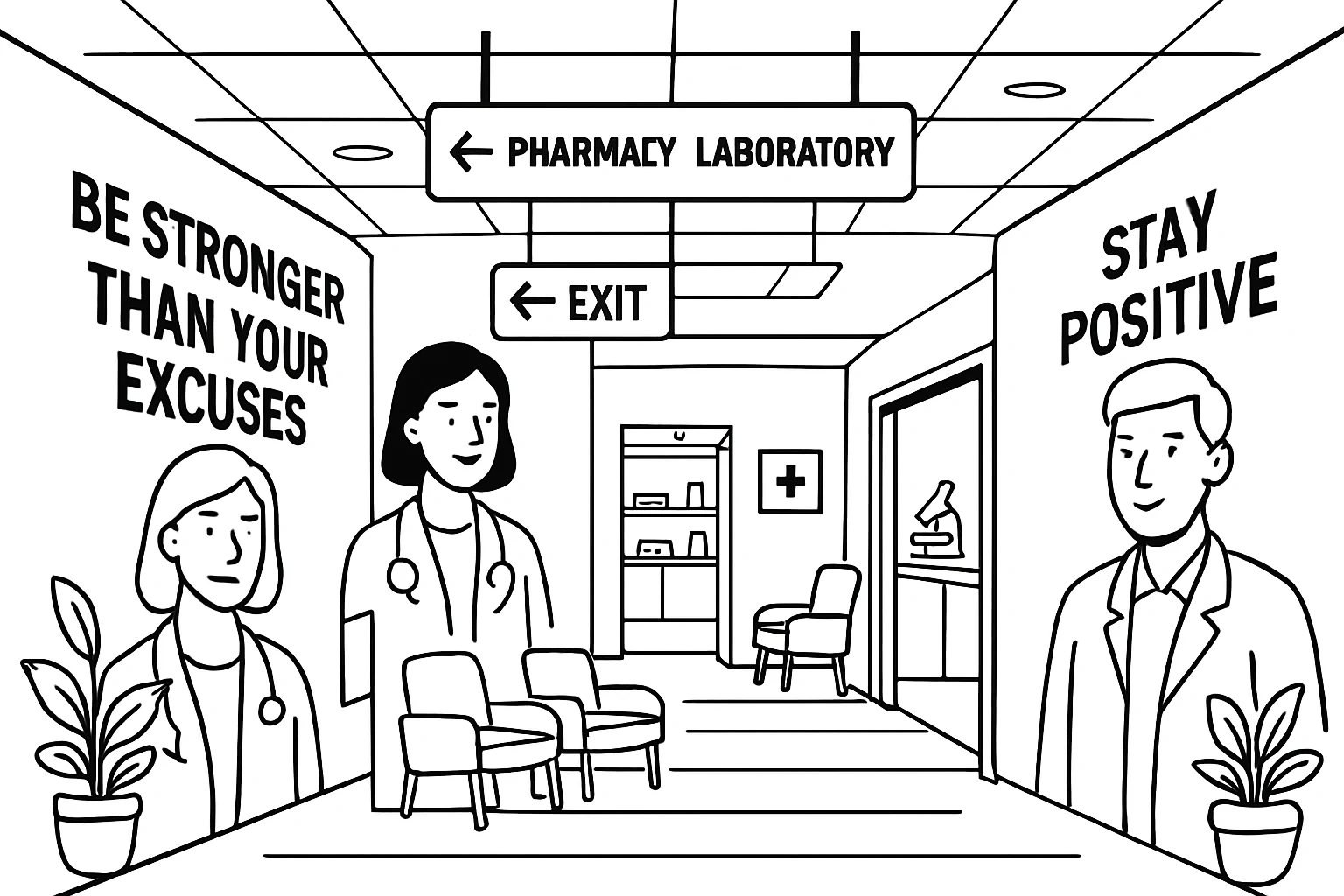
Patient-Centric Branding in Healthcare is often seen as marketing. But interiors speak too.
- Walls with patient-friendly colors and motivational graphics.
- Clear, multilingual signage with icons for easy navigation.
- Separate zones for pharmacy, lab, billing to reduce chaos.
- Doctor cabins with neutral, warm colors to build comfort.
OPD files and prescription pads can carry the brand story. Even your interiors can reinforce Patient-Centric Branding in Healthcare through signage, calming colors, and organized spaces.
8. Staff as Brand Ambassadors for Patient-Centric Care
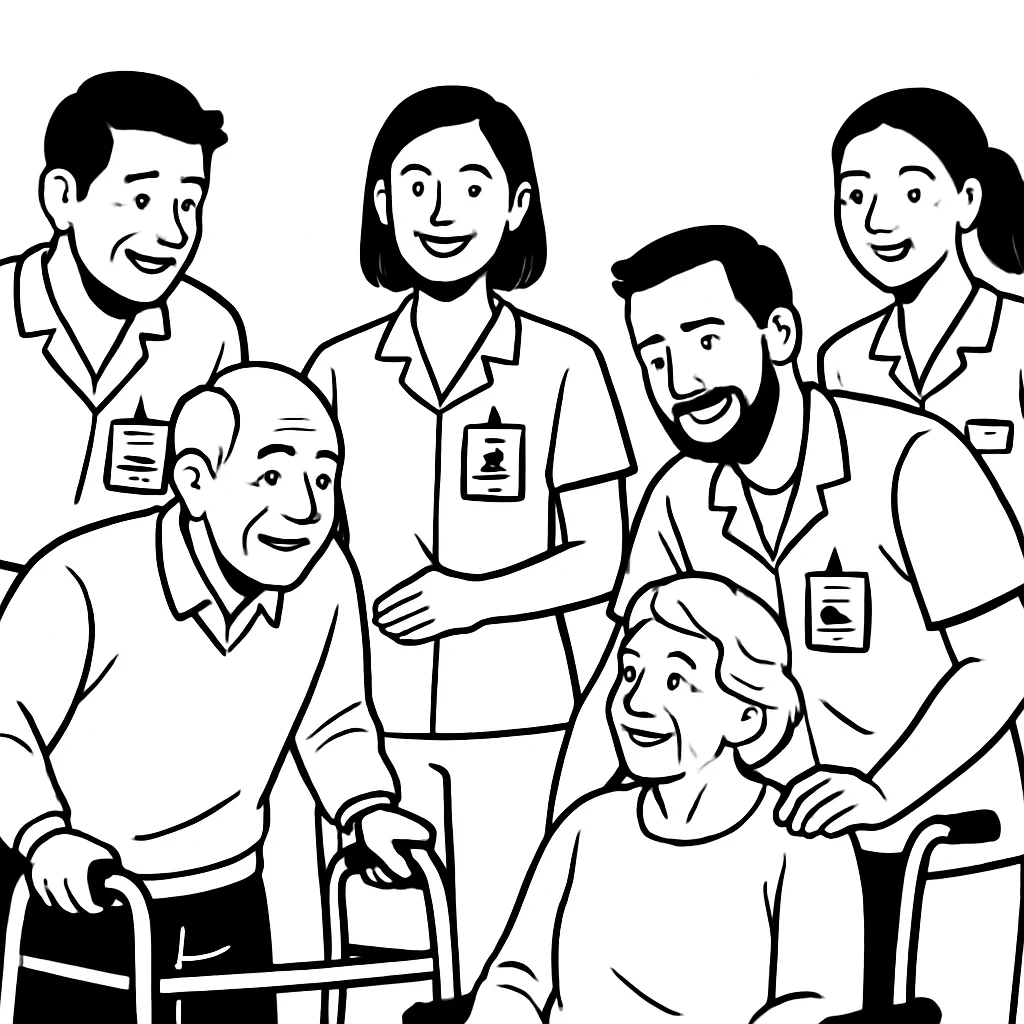
Your staff shape patient experience even more than your décor.
- Do they greet patients warmly?
- Are they trained in empathy and clear communication?
- Do uniforms reflect your brand colors, looking clean and professional?
- Are ID cards easy to read, color-coded by role?
A coordinated, well-designed uniform strategy doesn’t just look good—it signals organisation and trustworthiness.
9. Wayfinding & Signage: Reducing Patient Anxiety Through Branding
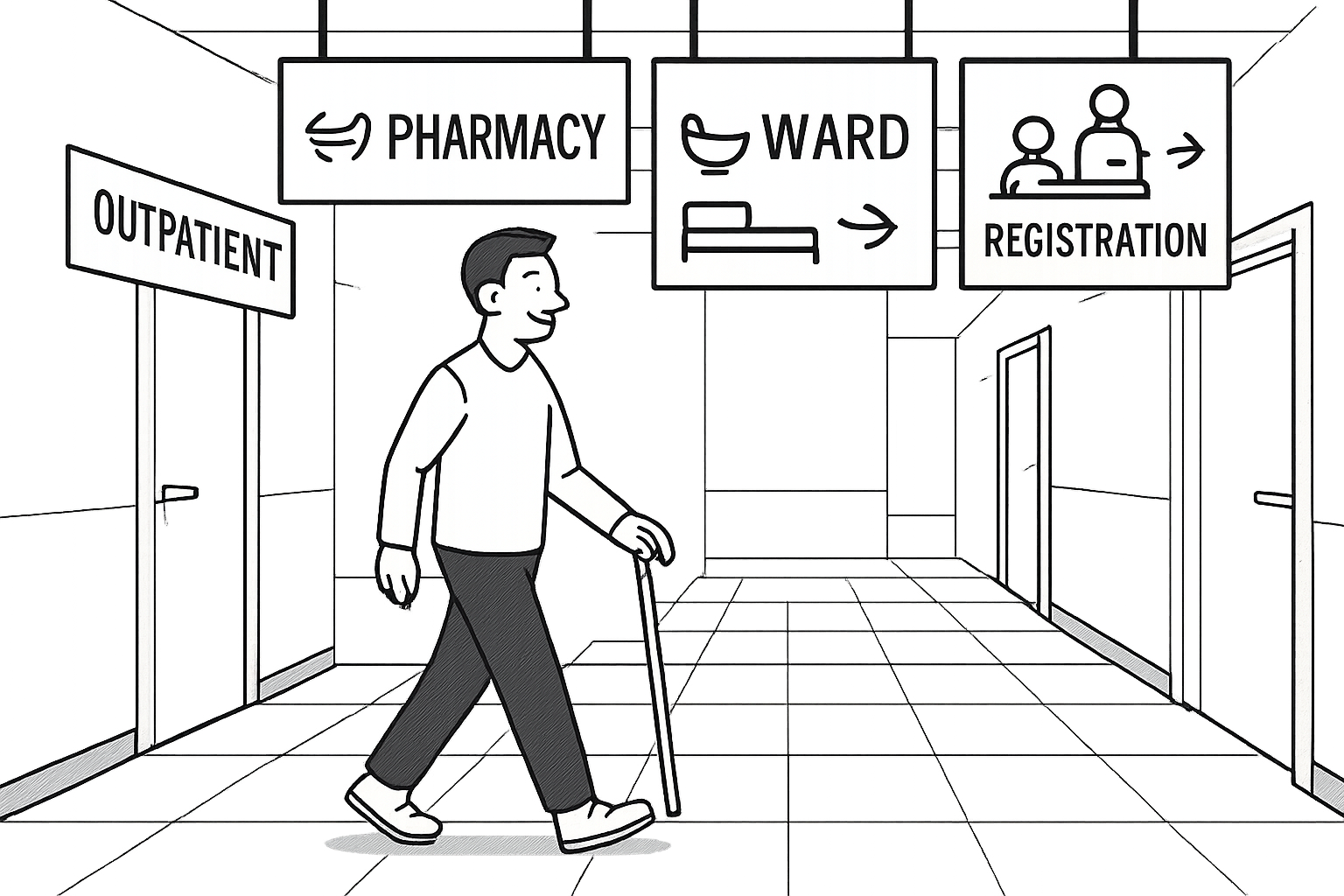
Nothing frustrates patients like getting lost in a confusing building.
- Color-coded signage helps patients navigate easily.
- Multilingual signs respect India’s diversity.
- Icons and pictograms aid low-literacy patients.
- Floor maps or directional arrows reduce questions and anxiety.
A consistent signage system isn’t just helpful—it’s caring.
10. Print Materials: Extending Patient Trust Beyond the Clinic
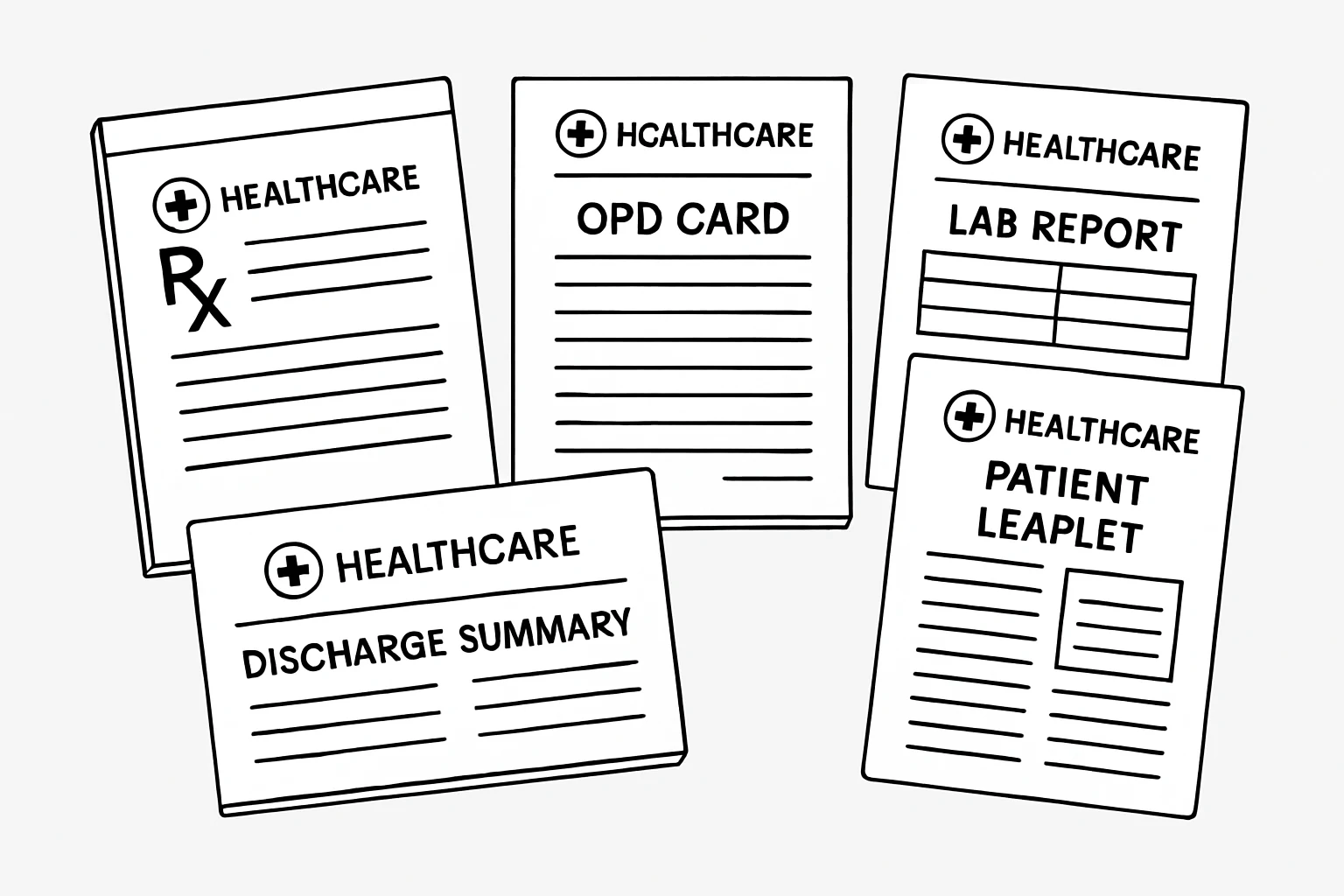
Patients carry these home:
- Prescription pads
- OPD cards
- Lab reports
- Discharge summaries
- Brochures or instructions
When these are designed well—with your colors, logo, and clear layout—they extend your brand’s promise of professionalism and care.
They show you think about the patient even after they leave.
11. Digital Touchpoints: The New Front Desk of Healthcare Branding
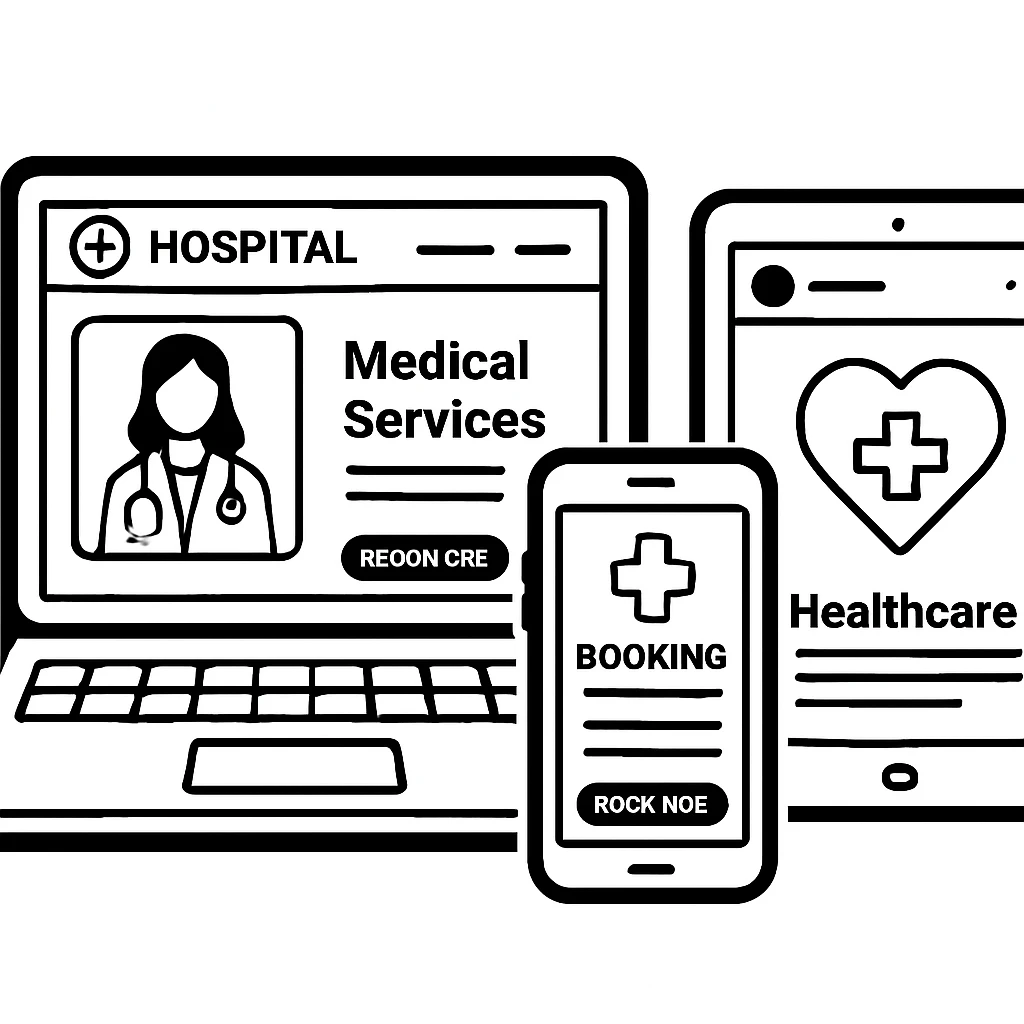
Your online presence is no longer optional.
- Websites should match your physical brand in color, tone, and professionalism.
- Appointment booking should be simple, with clear forms.
- Google listings should stay updated.
- Social media should share real photos, patient education, and human stories—not just promotions.
A well-branded online presence reduces friction, builds trust before arrival, and encourages return visits.
12. Discharge & After-Care: Strengthening Patient Loyalty
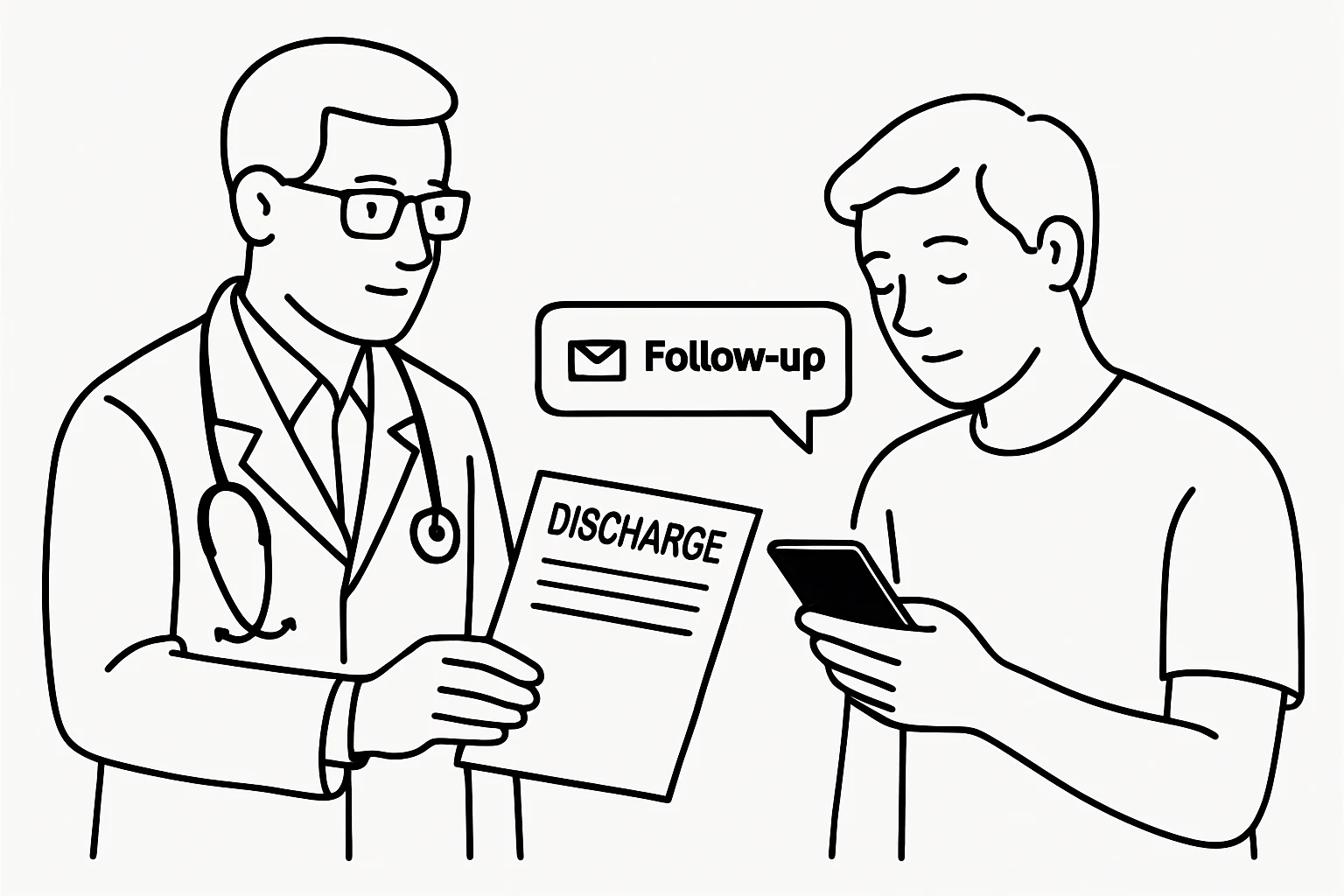
Many clinics forget that the brand experience doesn’t end at the billing counter.
- Are discharge instructions clear, easy to read, and well-designed?
- Do they use the same brand colors and fonts?
- Do you follow up with a message or call to check on recovery?
- Do you ask for feedback in a caring, respectful way?
This step cements loyalty and shows the patient you don’t see them as just another case.
13. Localization in Healthcare Branding: Speaking Their Language
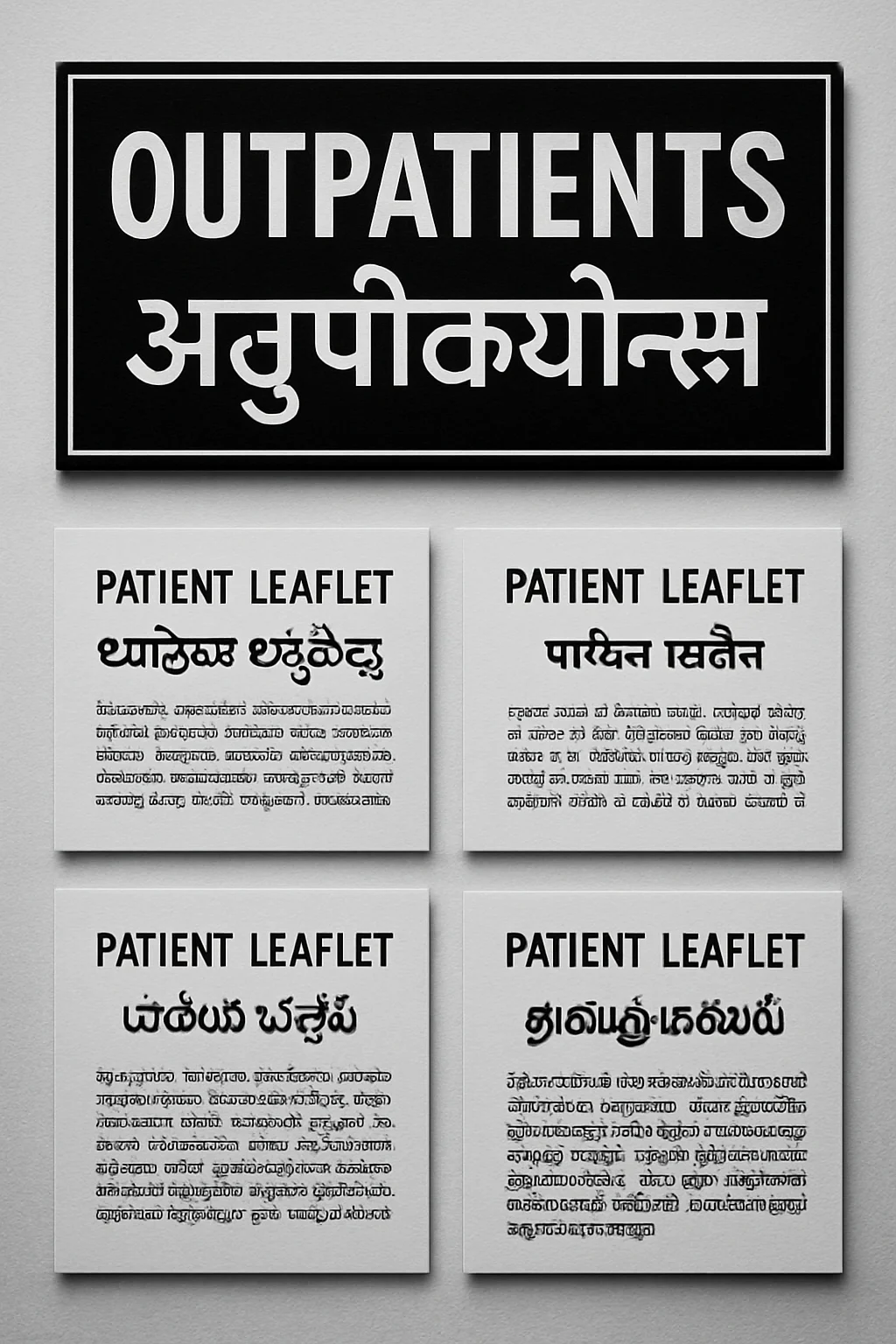
India is diverse. A patient-centric brand respects that.
- Signage in local languages.
- Forms and consent papers available bilingually.
- Staff trained in local languages.
- Brochures and leaflets in local scripts.
Respecting language builds inclusion and trust.
14. Aligning Branding with NABH & Healthcare Quality Standards
Patient-centric branding in healthcare also aligns with quality standards.
- Standardised OPD files with clear sections.
- Consent forms that are understandable.
- Emergency exit maps with clear colors.
- SOPs and training manuals that are branded, easy to follow, and compliant.
Good branding doesn’t just look good—it supports safer, more organised care.
15. Emotional Storytelling in Patient-Centric Brand Communication

Patients connect with stories.
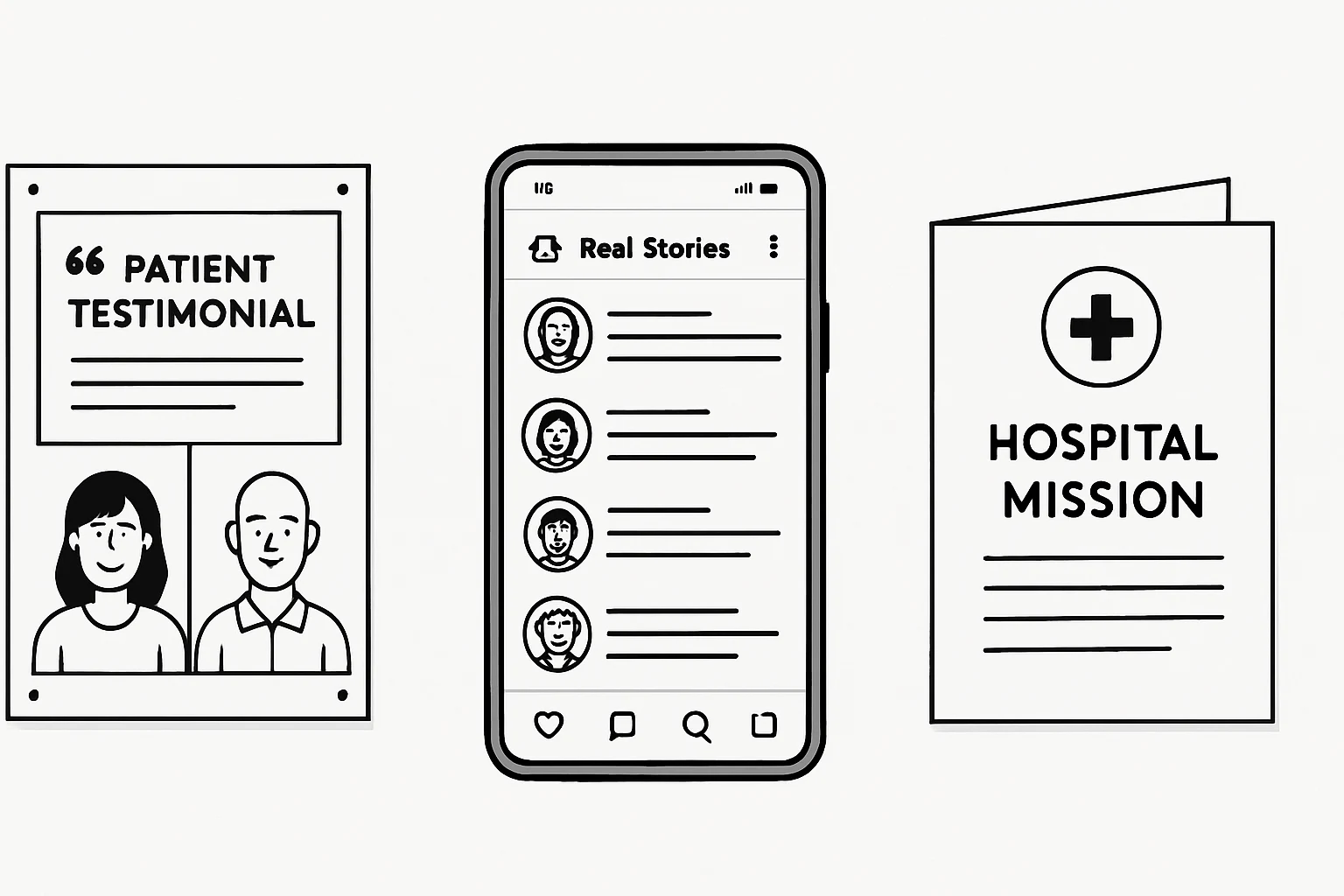
- Wall graphics can share patient testimonials.
- Social media can showcase success stories.
- Brochures can highlight your mission and values.
- Waiting room videos can feature real staff explaining procedures.
Storytelling adds warmth and humanity to your brand.
16. Patient-Centric Branding Works for Clinics of Every Size
Patient-centric branding in healthcare isn’t only for large corporate hospitals.
✅ Single-chair dental practices can have thoughtful logos, color palettes, clean interiors.
✅ Small labs can have clear signage and branded report jackets.
✅ Ayurveda and Homeopathy clinics can use earthy, calming colors in design and print materials. Whatever the size, patient experience can be designed.
17. Implementation: Turning Patient-Centric Branding Into Reality
At SUR DESIGNS HEALTHCARE RHYTHM, we help clinics and hospitals go from idea to implementation:
- Logo and brand guidelines.
- Interior color planning and signage design.
- Print-ready OPD files, prescription pads, leaflets, and brochures.
- Uniform design with color strategy.
- Website and digital platform branding.
- Social media post templates and strategy.
We make sure every patient touchpoint aligns with your promise of care.
18. Conclusion: Care is the Strongest Healthcare Brand Promise
Conclusion: Care is the Strongest Healthcare Brand Promise
Patients may forget the name of a prescription, but they will always remember how they felt. A patient-centric brand is built on trust, respect, and genuine care. From the first signboard to the last follow-up call, every touchpoint should say:
“We care about you. We’re here for you.”
FAQ`s
1. What is patient-centric branding in healthcare?
Patient-centric branding means designing every interaction a patient has with your clinic or hospital to reflect care, empathy, and professionalism. It goes beyond logos and interiors — it’s about making patients feel safe, respected, and valued.
2. Why is patient experience important in healthcare branding?
Studies show patients remember how they felt more than the treatment itself. A positive patient experience builds trust, encourages loyalty, and helps your brand stand out in a competitive healthcare market.
3. How can small clinics implement patient-centric branding?
Even small clinics can adopt patient-centric branding by ensuring clean interiors, clear signage, professional OPD files, and warm staff communication. Small steps like multilingual brochures or follow-up calls make a big difference in building trust.
At SUR DESIGNS HEALTHCARE RHYTHM, our mission is to help clinics and hospitals design branding strategies that create not just treatment — but trust, empathy, and loyalty.
Ready to transform your patient experience into your strongest brand asset?